


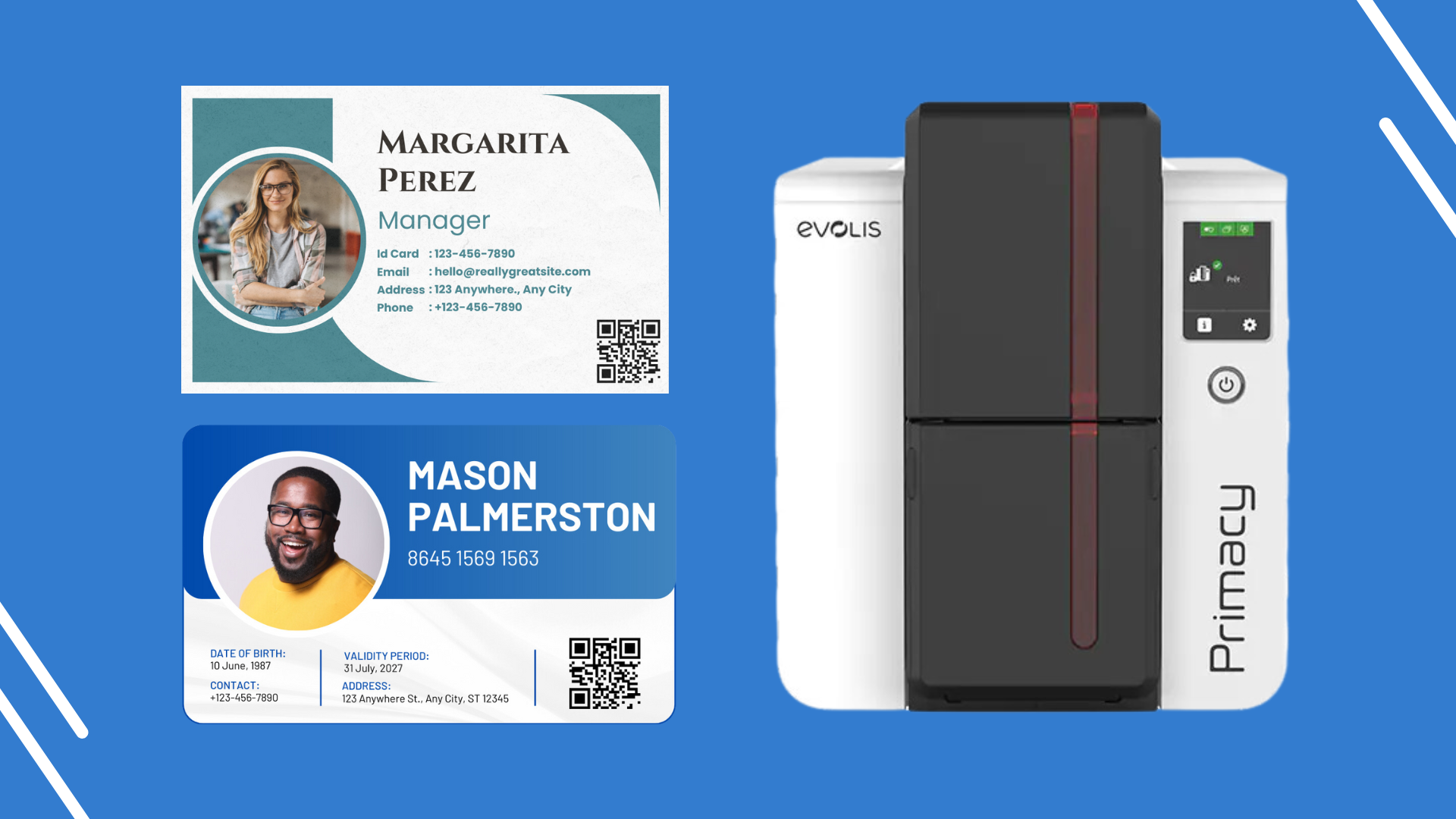
In today’s digital landscape, security and efficiency are paramount, especially in organizations where identification and access management are critical. One of the simplest yet highly effective ways to add functionality and versatility to ID cards is by integrating QR codes. QR codes, those small squares filled with black and white patterns, can transform a standard ID card into a multifunctional tool that goes beyond basic identification. In this blog, we’ll explore the key benefits of incorporating QR codes on printed ID cards.
1. Enhanced Security
Integrating QR codes on ID cards adds an extra layer of security to your organization. Each QR code can be linked to a unique identifier in your access control system, making it harder for unauthorized individuals to replicate IDs. Scanning a QR code can quickly verify whether an individual is authorized to access certain areas or resources. For enhanced protection, you can generate QR codes that are time-sensitive or require real-time verification through a secure server, offering dynamic security capabilities that are difficult to counterfeit.
2. Efficient Access Management
QR codes streamline access management by making it possible to quickly validate identities. Instead of manually checking credentials, security personnel or automated systems can simply scan the QR code, saving time and reducing bottlenecks at entry points. This functionality can be especially useful in high-traffic areas such as office buildings, schools, or events where traditional verification methods can slow down entry.
3. Improved Data Accuracy and Reduced Errors
Manually inputting data from ID cards increases the risk of errors, especially in environments where speed is essential. With a QR code, information can be quickly and accurately scanned into a system, minimizing the chance of human error. This accuracy not only improves efficiency but also ensures that security and access logs remain consistent and reliable.
4. Easily Updated and Dynamic Information
One major advantage of QR codes is their flexibility. By linking the code to an online database or a web page, you can make updates without reissuing new physical cards. For example, a staff member’s QR code could link to a page displaying their current access permissions, credentials, or even their schedule. Any changes can be made instantly in the backend, allowing for dynamic, real-time updates that are instantly accessible by scanning the QR code.
5. Streamlined Visitor Management
For organizations that welcome visitors or temporary contractors, QR-coded IDs offer a simple way to manage temporary access. Instead of issuing permanent ID cards, you can provide visitors with temporary cards that include a QR code granting them access for a limited period. The code can be configured to expire once the visitor’s appointment is over, adding a layer of security and control over temporary access.
6. Cost-Effective Solution
Compared to implementing other forms of digital access control, QR codes are relatively affordable and can be printed directly on ID cards using a standard ID card printer. They do not require expensive RFID technology or specialized readers, making them a budget-friendly option for organizations looking to upgrade their security and access management systems. Plus, with the growing prevalence of smartphones, many organizations can use mobile devices as scanners, eliminating the need for additional scanning equipment.
7. Data Insights and Analytics
Integrating QR codes with an access management system allows organizations to collect valuable data on employee movement and access patterns. This information can be used to analyze trends, enhance security protocols, and identify potential bottlenecks in the organization’s workflow. Additionally, visitor data can provide insights into visitor frequency, peak times, and the overall efficiency of your visitor management system.
8. Enhancing Contactless Solutions
QR codes also support contactless solutions, which have become increasingly popular since the pandemic. A contactless scan process reduces physical contact with doors, turnstiles, or access points, which can be crucial for maintaining hygiene in high-traffic environments. Users can simply present their QR-coded ID from a safe distance, enhancing both safety and convenience.
Implementing QR Codes on ID Cards in Your Organization
When deciding to add QR codes to your ID cards, here are a few steps to consider:
- Evaluate your current access control system to ensure compatibility with QR code integration.
- Determine the data format for the QR code. For example, will it store an employee ID number, link to an online profile, or provide temporary access credentials?
- ID software that can automatically generator QR codes to be printed on your ID card printer.
- Choose a secure QR code generator that allows for dynamic codes if real-time data updates are needed.
- Establish policies for scanning and data storage to ensure compliance with privacy and security regulations.
Final Thoughts
Integrating QR codes into printed ID cards is an efficient, secure, and cost-effective way to enhance your organization’s security and access management. By offering a flexible and scalable solution, QR codes not only streamline access but also provide real-time adaptability, making them ideal for businesses, schools, and event organizers alike. Embracing QR-coded IDs is a forward-thinking move that can lead to improved security, reduced administrative overhead, and a smoother experience for both employees and visitors. Contact us today for more information on how to implement QR Codes with your ID card printer.