


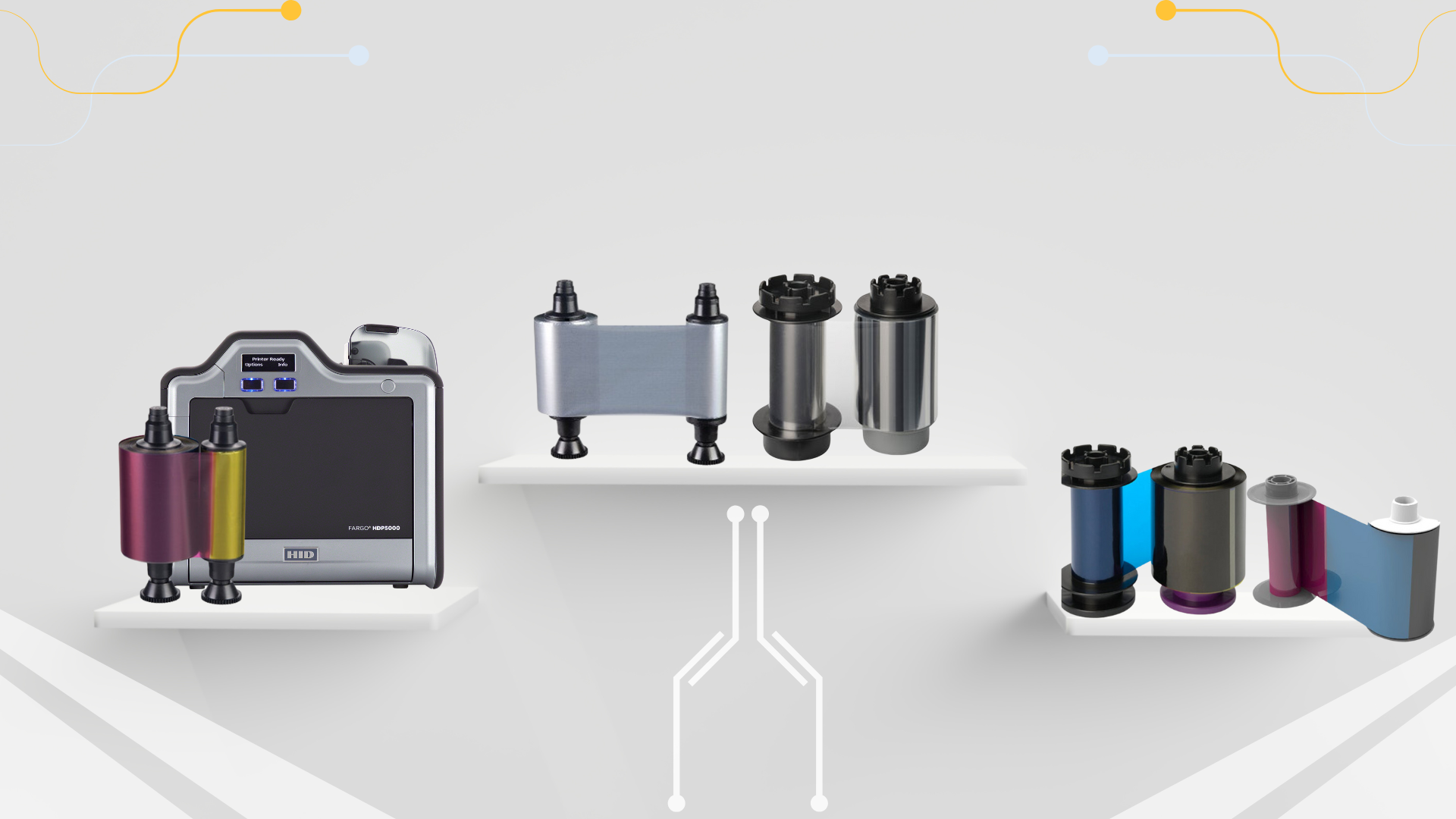
When it comes to printing ribbons used in ID card printers, label printers, and other thermal transfer devices, one important yet often overlooked factor is shelf life. The shelf life of a ribbon can significantly impact print quality, machine performance, and overall productivity. Knowing how long your ribbon will last and the risks of using expired ribbons can help you maintain high-quality prints and avoid frustrating downtimes.
What Is the Shelf Life of a Ribbon?
The typical shelf life of a ribbon is around one year from the date of manufacture. After this period, the ribbon can start to degrade, resulting in a number of problems that can affect both the ribbon and the printer. Factors like temperature, humidity, and exposure to direct sunlight can shorten the effective shelf life of the ribbon, so proper storage is also crucial.
Why Do Ribbons Expire?
Ribbons used in thermal transfer printing contain a layer of ink (or resin) on a polyester film. Over time, the materials that make up the ribbon can begin to break down. The ink layer may become brittle or dry out, and the polyester film may lose its flexibility. This can cause the ribbon to break or become difficult to use, resulting in poor print quality or even printer malfunctions.
Risks of Using Expired or Old Ribbons
- Breakage: One of the most common issues with expired ribbons is breakage. As the material degrades, it becomes more fragile and prone to snapping during the printing process. This can lead to downtime as you’ll need to clear out broken ribbon pieces from the printer and reload new material.
- Poor Print Quality: Expired ribbons often result in inconsistent print quality. The ink layer may no longer transfer evenly to the paper or card, leading to faded, streaky, or patchy prints. For businesses where professional-quality prints are essential, this can be a serious issue.
- Increased Wear on the Printer: Using old or degraded ribbons can put unnecessary strain on your printer. Ribbons that break or don’t run smoothly through the machine can cause jams, increase the risk of damage to the print head, and lead to costly repairs.
- Wasted Resources: Poor-quality prints mean wasted time, paper, cards, and ink. If you’re using expired ribbons, you may find yourself having to reprint items multiple times to get acceptable results, leading to inefficient use of resources.
- Potential Malfunctions: Over time, the friction created by brittle or dry ribbons can damage sensitive printer components, particularly the print head, which is one of the most expensive parts to replace in a thermal transfer printer.
How to Properly Store Ribbons to Maximize Shelf Life
To get the most out of your ribbons and ensure they remain usable for the full one-year period (or longer, if stored carefully), follow these guidelines:
- Store in a Cool, Dry Place: Heat and humidity can cause ribbons to degrade more quickly. Aim to store them in an environment that is cool and dry, ideally between 59°F and 77°F (15°C to 25°C) with less than 50% relative humidity.
- Avoid Direct Sunlight: Exposure to UV light from direct sunlight can break down the materials in the ribbon and shorten its shelf life. Always keep ribbons in their packaging until you’re ready to use them and store them away from windows.
- Keep Them Sealed: Ribbons should be stored in their original packaging, as this helps to maintain the right environmental conditions and prevent dust and contaminants from damaging the ribbon surface.
- Use First-In-First-Out (FIFO) Inventory: If you maintain a stock of ribbons, practice a First-In-First-Out (FIFO) method to ensure that older ribbons are used before newer ones. This will help prevent ribbons from sitting unused past their expiration date.
How to Identify an Expired Ribbon
If you’re unsure whether a ribbon is still good to use, here are some signs that it may have expired:
- Visible wear or brittleness: If the ribbon material feels stiff or breaks easily, it’s likely past its prime.
- Uneven or patchy prints: If your prints are consistently faded, streaky, or incomplete, the ribbon may no longer be transferring ink properly.
- Frequent ribbon breaks during printing: If the ribbon snaps frequently, it’s likely too old or brittle to be effective.
Contact us today
Using expired ribbons can cause numerous problems, from poor print quality to printer malfunctions. To avoid these issues, always be mindful of your ribbon’s shelf life, store them properly, and use the oldest ribbons first. By keeping track of ribbon expiration dates and replacing them when needed, you’ll ensure your prints are high-quality, your equipment runs smoothly, and your operations remain efficient. Contact us today, if you still have questions about the shelf life of a ribbon.